
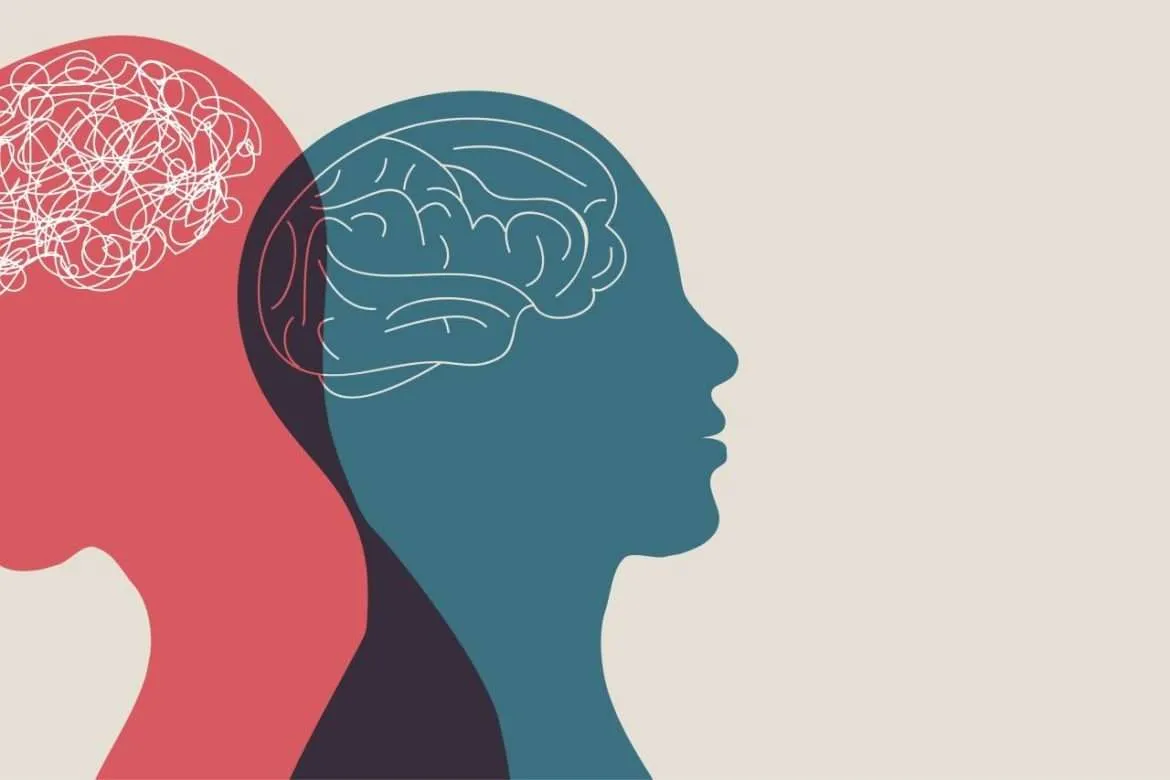
Living with bipolar depression is like riding an emotional roller coaster that never ends. Thoughts can fly like a train at 320 km/h. One day, people with bipolar disorder feel energy levels can be sky-high and unstoppable. But the next day, waking up is impossible, and everything feels like a struggle. Trying to project extreme joy and extreme sadness every day is not only difficult but also completely flawed.
The question is often asked whether bipolar depression is considered a disability. The answer is yes. The Americans with Disabilities Act considers bipolar disorder a disability when it significantly impacts someone’s daily life and job performance. In this digital world, you can get expert help with online psychiatrist consultations, even same day psychiatrist appointment. They can help you with relevant evaluations that help provide evidence to support or challenge disability claims.
Depressive phase of bipolar disorder
Bipolar depression is a period or episode that occurs in someone already suffering from bipolar disorder. This is a time when their mood swings drastically. These episodes are more intense than normal sadness and stress because they can last for weeks or months and completely alter their thinking and behavior. During a manic episode, people:
- Work quickly and appear disorganized
- Their minds are ablaze with thoughts, jumping from one topic to another
- Sleep is limited, yet they remain full of energy
- They act without thinking, causing serious harm
- They have high self-esteem and feel capable of doing whatever they want
Whereas, during a depressive episode, a combination of these occurs:
- Even simple tasks become so difficult and unbearable that they become difficult to handle
- Energy levels in the body drop significantly
- Concentrating on any task becomes difficult
- Feeling depressed all the time
- Unable to go to work or be around people
These rapid changes can make normal activities and maintaining regular control over basic life challenging.
Types of bipolar disorder
Understanding the different types of bipolar disorder can help explain why this condition is so debilitating:
- Bipolar I disorder: This involves severe manic episodes that may require hospitalization. These episodes are so severe that they can completely disrupt a person’s work and personal life.
- Bipolar II disorder: This involves less severe manic episodes (hypomania) in which mood swings are usually less severe, but are followed by major depression, which is more prolonged and severe.
- Cyclothymic disorder: This involves frequent mood swings that are less severe but last for some time, significantly disrupting the patient’s daily activities.
Bipolar disorder and employment issues
People with bipolar disorder face unique challenges in the workplace. During a depression, even going to work can be nearly impossible, let alone arriving on time. Low moods often manifest in ways that are difficult to understand, and when they reach this level, people lack the energy to move, work with their hands, or perform other activities.
However, at the end of the mood spectrum, such as during mania, people may become overactive, speak strangely, or demand excessive work. They may also overwork and stay up all night, leading to extreme fatigue, breakdowns, and depression.
The consequences of untreated or poorly managed bipolar disorder can make it very difficult for employers to trust employees with a history of such behavior. Most people with bipolar disorder face these challenges:
- They are often fired from their jobs because their symptoms interfere with day-to-day activities and work.
- They find themselves unemployed due to severe episodes
- They have difficulty forming professional relationships
- Their work history is disrupted, disrupting their work schedule
Treatment and support
Although bipolar depression can be disabling, there are many treatment options available, such as:
- Medication Management: Mood stabilizers, antidepressants, and other medications help reduce episodes.
- Therapy: Cognitive-behavioral therapy, family therapy, and other therapies are strategies developed and implemented step-by-step to strengthen individuals and improve their overall functioning.
- Lifestyle Changes: Maintaining a consistent sleep schedule, reducing stress levels, and living a responsible lifestyle that includes regular exercise and a dietary schedule that supports medication and therapy.
- Support System: Family, friends, support groups, and mental health professionals are not only a personal safety net but also essential support during this difficult time.
However, bipolar depression medications can take months to work. Some people may experience side effects and need to switch medications. Therefore, it will be wise to apply for short-term disability benefits during the titration process. Sometimes, people with bipolar depression hesitate to apply because they don’t understand that their condition could qualify for disability. They often fear the stigma associated with mental illness, the fear that their condition could affect their job, and the fear that if their mental health condition is discovered, they may be viewed as an ‘insane’, ‘less capable’ person than they actually are. These concerns prevent them from seeking care that could improve their lives and may even prevent them from receiving disability benefits.
Does this condition describe you? Always remember that you are not alone in your mental difficulties. Remember that requesting disability benefits does not define you or your value or potential in any other area of your life.
How to apply for disability for bipolar depression?
The Americans with Disabilities Act (ADA) protects people whose mental health conditions substantially impair their major life functions. For bipolar depression, this means that a person is unable to perform normal activities such as working, learning, concentrating, or self-care due to the condition.
Under the ADA, employers must provide reasonable accommodations. These may include:
- Flexible work schedules for therapy appointments
- Option to work from home during difficult times
- Modified work tasks during treatment
- Extra breaks for medication management
The Social Security Administration (SSA) diagnoses bipolar depression using specific medical and functional criteria. These criteria focus on how the condition affects a person’s ability to understand, interact with people, concentrate, and handle changes.
Getting disability benefits for bipolar depression
Applying for disability benefits requires a detailed demonstration of the impact of bipolar depression on daily life. This process can be challenging, especially when you’re not feeling well, when support is crucial.
This includes the following specific steps:
- Medical documentation: Periodic visits to a psychiatrist can accurately assess the severity of symptoms and how they interfere with functioning. This includes tracking medication use, therapy progress, and any hospitalizations.
- Symptom tracking: A detailed list of mood episodes, their typical timing, and their functional impact builds a strong case for disability benefits.
- Functional assessment: Documentation describes the symptoms that are preventing someone from performing daily tasks, not just holding a job.
In this process, a psychiatrist plays an essential role by thoroughly assessing symptoms, including monitoring how medication is working, conducting self-assessments, and identifying problems with the way and frequency of essential tasks. They can provide clarification to the disability evaluator about the patient’s ability to function in the context of their disorder, aka bipolar depression.
At GABA Telepsychiatry, a board-certified psychiatrist and neuropsychiatrist can provide counseling, diagnosis-based treatment, or ongoing evaluation of treatment response, and, if needed, help apply for disability benefits.
Please understand that not receiving support and treating this disorder as a disabling condition is a flawed thing. Bipolar depression is a neurological illness that severely impacts the way the brain functions. Seeking help or obtaining disability benefits for this condition doesn’t mean giving up. It’s about taking the initiative to get the help you need to regain health and stability. Most people with bipolar depression, with the right treatment, support, and disability benefit (that help them to focus on the condition for the better), can perform better and live well.



Comments are closed.